 Trending in US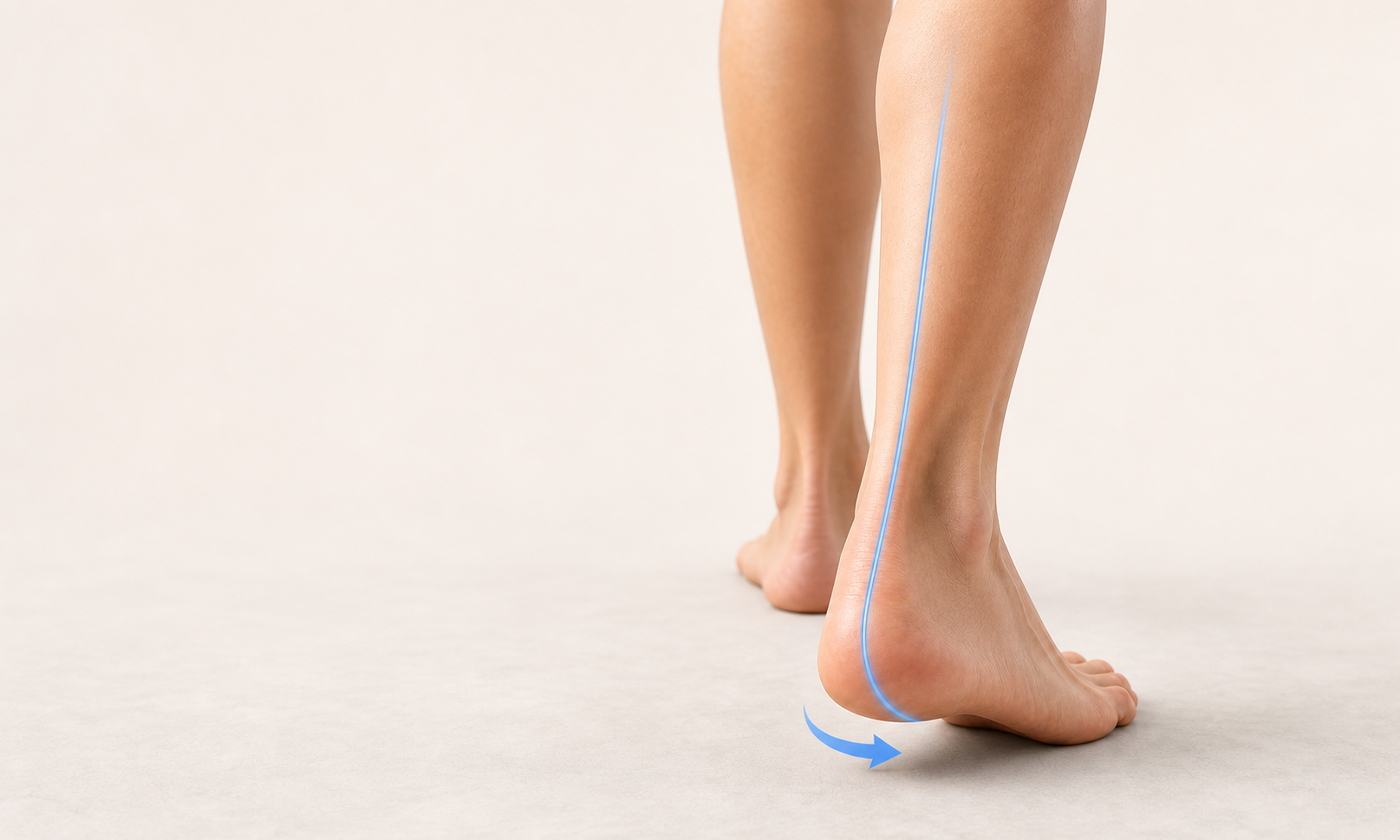
What Is Overpronation?
Overpronation means the foot rolls inward more than usual as it takes weight. Learn what to look for, why it can matter on long days, and when a persistent problem is worth assessing.
The basics
Pronation is the normal inward movement of the foot as it accepts weight. Overpronation describes a larger or more prolonged inward roll. It is a movement pattern, not a diagnosis, and it can occur with flat feet or with a normal-looking arch.
What overpronation means
As you walk, the foot normally rolls inward a little to absorb load. This movement, called pronation, helps the foot adapt to the ground and is not a fault to eliminate.
Overpronation describes an inward roll that is greater or lasts longer than usual. It can become more noticeable when you are tired, on hard floors, or in footwear that has lost structure. It is worth investigating when it comes with discomfort, repeated uneven wear, or a change in how you walk.
The FootCareMD overview of flatfoot explains that foot shape and function vary widely. A webpage cannot diagnose the reason for a movement pattern.
Clues to notice
There is no single at-home test that confirms overpronation. Look for several consistent clues instead:
- Wear inside the heel or forefoot. The inner edge of a shoe may wear more quickly, though job surfaces and shoe construction affect wear too.
- Footwear feels less stable late in a shift. Long periods of standing or walking can make an old, uneven liner more obvious.
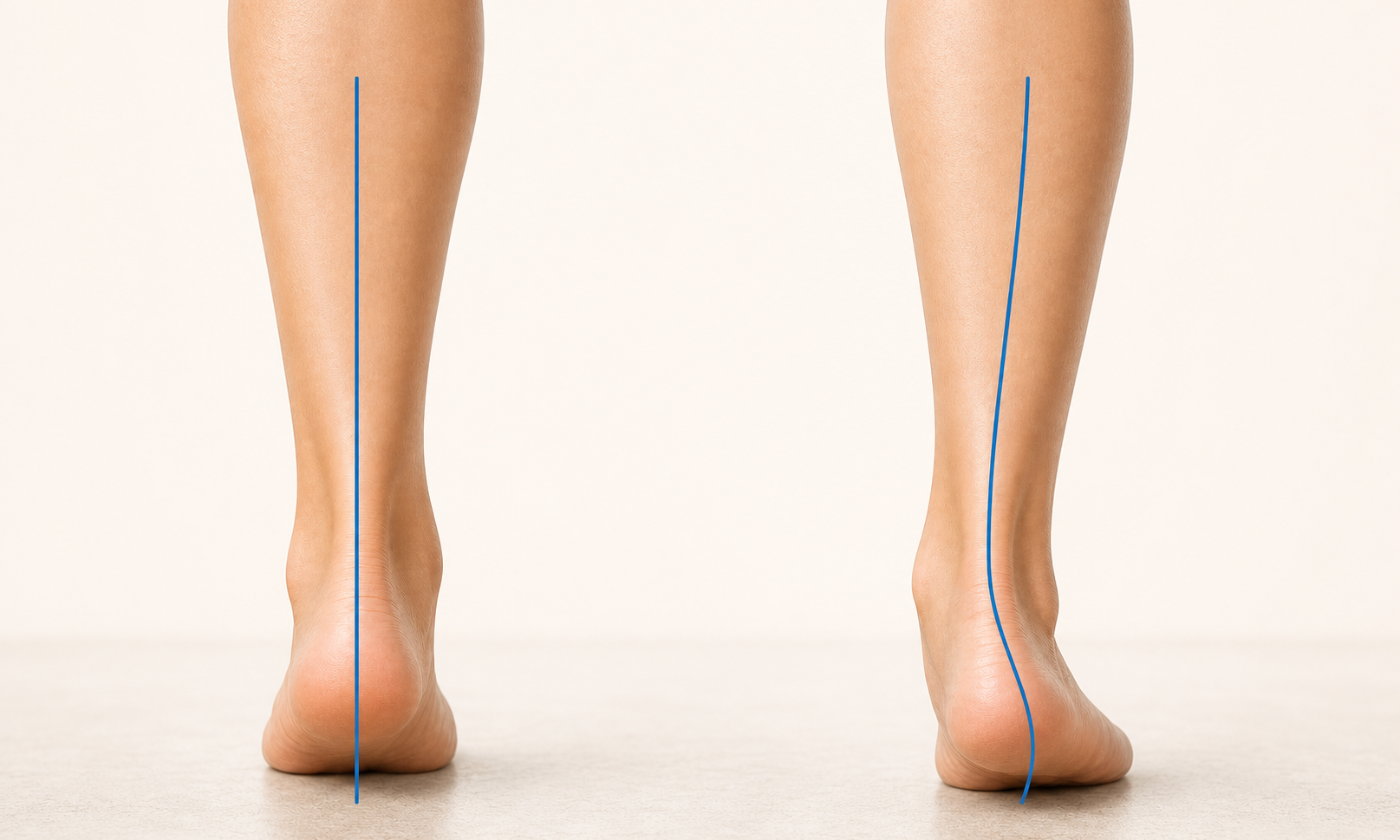
- Your foot rolls inward in a video from behind. A short, relaxed walking video can be useful context, but it is not a diagnosis.
- Recurring pressure or discomfort. Arch, heel, knee or lower-leg discomfort has many possible causes, so look at its timing and pattern rather than assuming one explanation.
Flat feet and overpronation are related for some people, but they are not interchangeable. A low arch is a shape; overpronation is a movement. The healthdirect guide to flat feet notes that flat feet without pain or problems do not necessarily need treatment.
Do a useful at-home check
An at-home check is most useful when it helps you describe a pattern, not when it is used to label yourself. Try these three simple observations over a few days:
- Look from behind. Stand relaxed in bare feet, then take a short video while walking away at a normal pace. Notice whether one heel consistently turns inward more than the other.
- Compare a matched pair of shoes. Put the shoes on a table at eye level. Check whether one heel counter leans, one outsole is more worn, or one insole is more compressed on the inner edge.
- Write down when symptoms show up. Note the footwear, surface, shift length and exact area of discomfort. A pattern after eight hours on concrete tells a different story from pain on the first few steps in the morning.
These checks cannot identify an injury or prescribe a correction. They can, however, make a conversation with a podiatrist, physiotherapist or doctor more specific.
Check footwear and fit first
Before blaming your feet, inspect what sits under them. Remove the factory liner and compare the left and right side by side. A compressed inner edge, deep heel impression, split lining, or boot that leans can change how the foot feels through a day.
Then check the whole shoe. The heel counter should not collapse when you press it, the upper should hold the heel without digging in, and the forefoot needs enough width for the toes to spread. A shoe can be comfortable when first laced yet become unstable once its liner has flattened or the upper has stretched.
Fit matters as much as support. The heel should sit fully back, the toes need room, and a replacement insole should lie flat rather than bunching or lifting the heel. Read how long insoles last if you are unsure whether the liner has worn out.
Choose support without overcorrecting
More correction is not automatically better. The goal is a comfortable, stable fit that does not create a new pressure point or crowd the shoe. A good fit feels secure at the heel, leaves room at the toes, and does not force the arch into a painful position.
Introduce a new insole gradually, starting indoors or for a shorter day. Pay attention to how it feels at the end of the day as well as in the first five minutes. Stop if it causes sharp pain, numbness, rubbing, or a new hot spot.
For a low-arch or flat-foot fit guide, see best insoles for flat feet. If you use work boots, remove the old factory liner before adding a full-length replacement unless the boot has enough spare depth to hold both comfortably.
When to get assessed
Arrange an assessment if you have persistent or worsening pain, repeated ankle rolling, numbness, weakness, one foot changing shape, or a sudden change in your walking pattern. Seek prompt medical advice after an injury, or if you have swelling, reduced sensation, circulation concerns or diabetes-related foot changes.
A qualified clinician can assess the cause and recommend options suited to your work, footwear and health history. healthdirect’s foot-care guide explains the different roles of podiatrists, physiotherapists and orthopaedic specialists.
Frequently asked questions
Is overpronation the same as flat feet?
No. Flat feet describe an arch shape or position, while overpronation describes how the foot moves under load. They can occur together, but one does not prove the other.
Can worn insoles make overpronation feel worse?
They can make footwear feel less stable if they are compressed, uneven or no longer fit the shoe properly. Inspect the shoe and liner together before deciding what to replace.
Do I need a rigid orthotic for overpronation?
Not necessarily. The right amount of support depends on comfort, footwear fit, symptoms and individual needs. A clinician can help when symptoms are persistent or the fit is difficult.
Can overpronation cause pain?
It can be associated with discomfort in some people, but pain has many possible causes. Persistent, severe or changing pain needs an individual assessment.
Continue exploring
For more practical guidance, visit the Foot Health Guides hub or read our guide to best insoles for flat feet.